
Are you planning to get dental implants, or have you recently received them? Proper aftercare is very important for healing and long-term success. Dental implants are a strong and reliable way to replace missing teeth, but how you care for them after the procedure plays a big role in your recovery.
Visiting a trusted dental clinic ensures you receive clear instructions and support throughout your healing process.
What are Dental Implants?
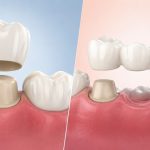
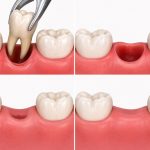
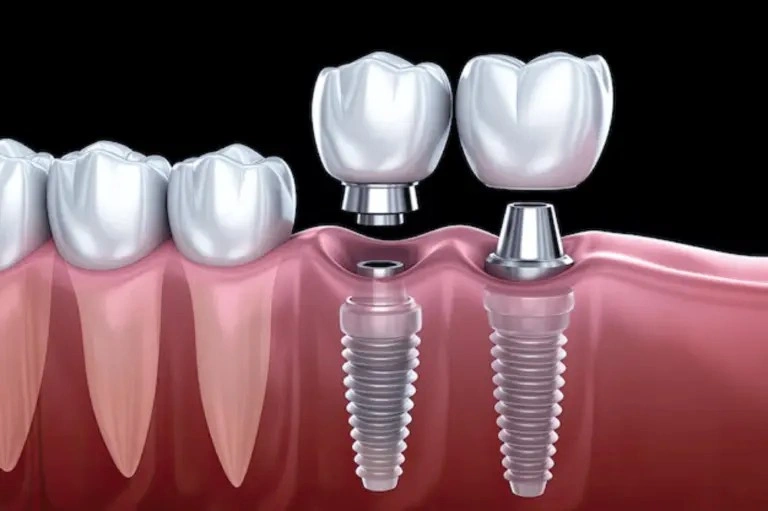
Before learning about aftercare, it’s helpful to understand what a dental implant is. Dental implants are small titanium posts placed into the jawbone to replace missing tooth roots. Once healed, they support crowns, bridges, or dentures, restoring both function and appearance.
They are designed to look, feel, and work like natural teeth, making them a popular long-term solution.
What to Expect After Dental Implant Surgery
After implant placement, your body begins the healing process. It’s normal to experience:
- Mild swelling around the gums and face
- Slight bleeding in the first 24 hours
- Minor discomfort or soreness
- Bruising in some cases
These symptoms usually improve within a few days. Following your dentist’s instructions helps reduce discomfort and supports faster healing.
Immediate Aftercare Tips
The first 24–48 hours are important for recovery. Here’s what you should do:
- Bite gently on gauze to control bleeding.
- Apply an ice pack to reduce swelling.
- Rest and avoid physical activity.
- Keep your head elevated while lying down.
- Avoid touching the implant area.
These simple steps help protect the surgical site and prevent complications.
Eating After Dental Implants
What you eat is very important for healing. After getting dental implants near you, it’s best to eat soft foods for a few days.
Good foods to eat:
- Yogurt and smoothies
- Mashed potatoes
- Soup (not too hot)
- Scrambled eggs
- Soft fruits
Avoid hard, crunchy, or sticky foods, as they can affect the implant area. Slowly go back to your normal diet as your mouth heals.
Oral Hygiene After Implant Surgery
Keeping your mouth clean is important, but be gentle.
- Brush your teeth slowly and avoid the implant area on the first day.
- Use a soft toothbrush.
- Rinse your mouth with salt water after 24 hours.
- Avoid strong mouthwashes unless recommended
Good cleaning helps prevent infection and supports healing.
What to Avoid During Recovery
To ensure a smooth recovery, avoid:
- Smoking, which slows healing
- Alcohol, which can irritate the area
- Straws, as a source of suction, can disturb healing.
- Touching or poking the implant site
- Heavy exercise for a few days
Avoiding these habits helps reduce the risk of complications and ensures better results.
Signs of a Healthy Healing Process
During recovery, you should notice:
- Reduced swelling after a few days
- Less discomfort over time
- Healing of the gums around the implant
- No unusual pain or discharge
These signs indicate that your implant is healing properly.
When to Contact Your Dentist
While most recoveries are smooth, you should seek help if you notice:
- Severe or increasing pain
- Excessive bleeding after 24 hours
- Swelling that worsens instead of improving.
- Fever or signs of infection
- Loose feeling in the implant area
If any of these occur, contact your dental clinic in Downtown Edmonton for guidance.
Long-Term Care for Dental Implants
After recovery, maintaining your implants is simple:
- Brush and floss daily
- Visit your dentist regularly.
- Avoid chewing very hard objects.
- Use recommended dental products.
Proper care ensures your implants last for many years.
Support Your Recovery the Right Way!
Are you ready to make your dental implants last for years? Proper aftercare is key to success. Following the right steps can reduce discomfort, prevent problems, and help you heal smoothly. Visit Jasper Ave Dental Choice today to learn more about your options for dental implants and get expert care for a healthy, confident smile.
FAQs
How long does it take to heal after dental implants?
Initial healing usually takes about 1–2 weeks, but complete healing of the implant and bonding with the bone can take several months.
Can I brush my teeth after implant surgery?
Yes, you can brush your teeth, but do it gently. Avoid the surgical area for the first day, then clean carefully around it as your dentist advises.
Is swelling normal after dental implants?
Yes, mild swelling is completely normal after the procedure and usually goes down within a few days with proper care.
Can I return to work after getting implants?
Most people can return to work within a day or two, depending on their comfort level and how quickly they recover.